Most people use whatever their parents used. And most parents used coconut oil.
That's not necessarily wrong. But the science behind hair oils has moved well beyond "just rub coconut oil on it." Different oils do different things. Some penetrate your hair shaft. Some sit on the surface doing nothing. Some block the hormones behind hair loss.
Choosing the right oil depends on your specific problem. Not on a TV commercial.
Why Choosing the Right Hair Oil Matters
A 2003 study published in the Journal of Cosmetic Science by Rele and Mohile compared coconut oil, sunflower oil, and mineral oil on damaged and undamaged hair.
Coconut oil was the only oil that reduced protein loss. Sunflower oil did nothing. Mineral oil did nothing.
The reason is molecular structure. Coconut oil is mostly lauric acid, a medium-chain fatty acid with a small, straight shape. That shape lets it slip inside the hair shaft instead of just sitting on top.
Sunflower oil has a bulkier structure with double bonds. It can't penetrate. Mineral oil is a hydrocarbon with zero affinity for hair protein. It coats but doesn't protect.
Every time you shampoo, your hair loses a small amount of protein. Over months, that loss thins and weakens each strand. Applying the right oil before washing blocks water from over-swelling the cuticle, which is what causes that protein to chip away.
Types of Hair Oils in Bangladesh
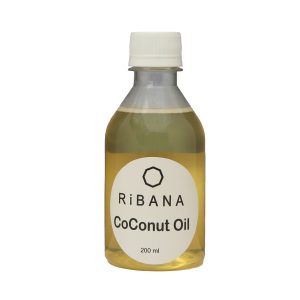
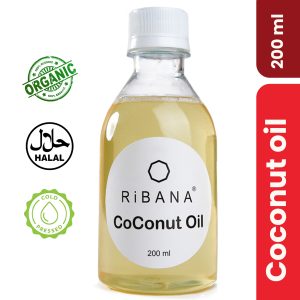
- Coconut oil: the most studied hair oil. Lauric acid penetrates the shaft and reduces protein loss. Does NOT grow new hair. Prevents breakage so your hair keeps more of what it already has.
- Argan oil: rich in Vitamin E. Good for frizz and shine on damp ends. A finishing oil, not a deep treatment.
- Jojoba oil: mimics natural sebum. Helps regulate oily or dry scalps. Lightweight, non-greasy.
- Rosemary essential oil: matched minoxidil 2% in a clinical trial. Must be diluted. Best for pattern thinning.
- Black seed oil (kalojira): contains thymoquinone, an anti-inflammatory compound. Studied for stress-related shedding, not genetic baldness.
- Multi-oil blends: combine several oils in one bottle. Quality varies. Always check if the first ingredient is a real plant oil or mineral oil.
Flip Over Your "Herbal" Oil Bottle
Flip over your favourite multi-oil bottle. The full ingredient list often starts with paraffinum liquidum. That's mineral oil.
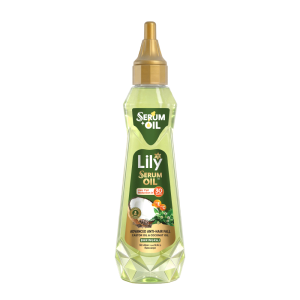
A lot of popular "herbal" and "multi-oil" products in Bangladesh use mineral oil as the base and add trace amounts of the oils on the front label. You're paying for coconut-argan-jojoba marketing while your hair gets petroleum byproduct.
They're not useless. Mineral oil can reduce tangles and add temporary shine. But if you want protein protection or scalp treatment, check whether your oil's first ingredient is the oil you think you're buying.
Cavotin Equi-Shine Hair Oil
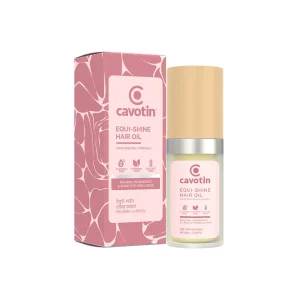
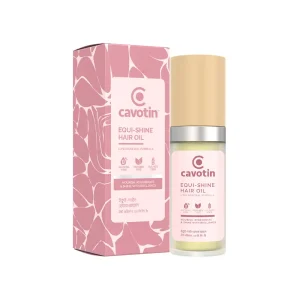
This is where Cavotin Equi-Shine Hair Oil earns its spot. Made by Remark HB Limited in Bangladesh, it's built for medium-porosity hair, the most common type.
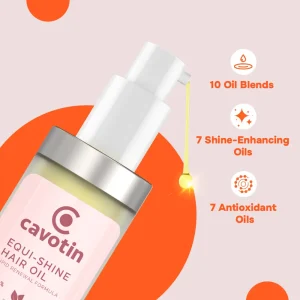
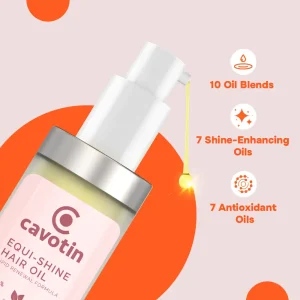
The ingredient list: olive fruit oil, almond oil, macadamia seed oil, avocado oil, argan kernel oil, sesame seed oil, jojoba seed oil, moringa seed oil, rice bran oil, baobab seed oil, acai fruit oil, phospholipids, sunflower seed oil, and Vitamin E.
No paraffinum liquidum. No mineral oil base. The first ingredients are actual plant oils. It is basically a scientifically formulated oil, which we denote as 100% hair science with 10+ oil blends.
Two sizes:
- Cavotin Equi-Shine Hair Oil 30ml
- Cavotin Equi-Shine Hair Oil 50ml
Rosemary Oil Beat Minoxidil in a Clinical Trial
A 2015 randomized trial published in SKINmed Journal by Panahi et al. put rosemary oil against minoxidil 2% for androgenetic alopecia.
100 patients. Six months. Both groups saw significant increases in hair count. No statistically significant difference between them.
One caveat. This was one study with 100 people, comparing to 2% minoxidil. The standard prescription strength is 5%. But for anyone wanting a natural option before medication, rosemary oil diluted in a carrier oil is worth a six-month commitment. 2 to 3 drops per tablespoon of carrier oil. Apply to your scalp and massage.
Kalojira Oil for Hair
Kalojira oil is everywhere in Bangladesh, but most people use it for cooking, not hair care.
A controlled study on 20 women with telogen effluvium found that 0.5% Nigella sativa oil improved hair density in 70% of participants over three months.
The compound doing the work is thymoquinone. If your hair loss came on after stress, illness, or scalp inflammation, black seed oil goes after the right problem.
It won't reverse genetic baldness. No oil can. But for seasonal shedding and post-illness hair fall, kalojira has better evidence than most "hair growth" products on Daraz.
Don't Fall for the Peppermint Oil Hype
A 2014 study in Toxicological Research found that 3% peppermint oil outperformed 3% minoxidil for hair growth in mice.
Sounds incredible. But that study used about 20 mice. Mice don't get androgenetic alopecia. No human clinical trial has confirmed these results.
Peppermint oil is fine as an add-on for the tingling sensation. Calling it a proven hair loss treatment is a stretch.
How to Choose the Right Hair Oil
|
Your Problem |
Best Oil |
Why |
|
Daily breakage |
Coconut oil / Cavotin Equi-Shine |
Penetrates shaft, blocks protein loss |
|
Frizz and dullness |
Argan oil / Cavotin Equi-Shine |
Smooths cuticle, adds shine |
|
Pattern thinning |
Rosemary oil (diluted) |
Matched minoxidil 2% in trial |
|
Stress shedding |
Black seed oil (kalojira) |
Thymoquinone reduces inflammation |
|
Multiple issues |
Cavotin Equi-Shine Hair Oil |
Multi-oil blend, no mineral oil |
What to Consider Before Buying
- First ingredient on the label. If it says "paraffinum liquidum" or "mineral oil" first, the natural oils are window dressing.
- Single-ingredient vs. blends. Pure coconut oil has solid research. A well-made blend like Cavotin Equi-Shine can handle multiple issues in one bottle.
- Cold-pressed or virgin on the label. Minimal processing keeps the fatty acid profile intact.
FAQ
What is the best hair oil in Bangladesh?
For protein protection, coconut oil has the strongest science. For a single product that covers breakage, frizz, dryness, and scalp health without mineral oil, Cavotin Equi-Shine Hair Oil is worth looking at.
Can hair oil stop hair fall?
If the cause is breakage, yes. Oils that penetrate the shaft reduce breakage. If hair loss is genetic, no oil reverses it. Rosemary oil diluted in a carrier matched minoxidil 2% in one trial.
Does coconut oil grow new hair?
No. No study has shown this. It prevents breakage. Your hair looks thicker because you keep more of what you already have.
What's the difference between Cavotin Equi-Shine 30ml and 50ml?
Same formula. The 30ml is good for first-time buyers or short hair. The 50ml is better value for regular users.
How often should I oil my hair?
Two to three times a week. Oiling every day without proper washing clogs scalp pores.
Conclusion
The best hair oil in Bangladesh isn't the one with the biggest ad budget. It's the one that matches your problem with the right ingredients, and actually puts those ingredients in the bottle.
For basic protein protection, virgin coconut oil is hard to beat. Cheap, everywhere, and the science is solid.
For a single bottle that covers more ground without mineral oil padding, Cavotin Equi-Shine Hair Oil does the job. The 30ml is enough to test it. The 50ml is there when you commit.
If thinning is the concern, add rosemary essential oil. If stress is causing shedding, try cold-pressed kalojira.
And always flip the bottle over. What the label says on the front matters far less than the ingredient list on the back.